
A lodge sells one of the hardest things to sell online. It’s expensive, it’s usually somewhere remote, it gets booked months out, and the person paying the deposit has never been there. Your website is doing most of the selling before anyone picks up the phone.
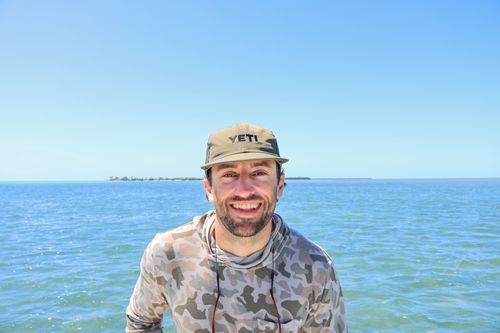
I’ve built sites for lodges in the Bahamas and Puerto Rico, and I spend a lot of my own time at lodges and on the water. The ones that stay full aren’t always the best fishing. They’re the ones that make it easy for a stranger to trust them.
Here’s what that takes.
Know who’s actually reading your site
Lodge guests do their homework. They compare three or four options over weeks. A spouse or a fishing buddy is often part of the decision. Many of them are repeat travelers who have been burned by a lodge that didn’t match its photos.
That means your site has two jobs at once: make the trip feel real, and remove every reason to hesitate.
The pages every lodge site needs
The fishery or the hunt
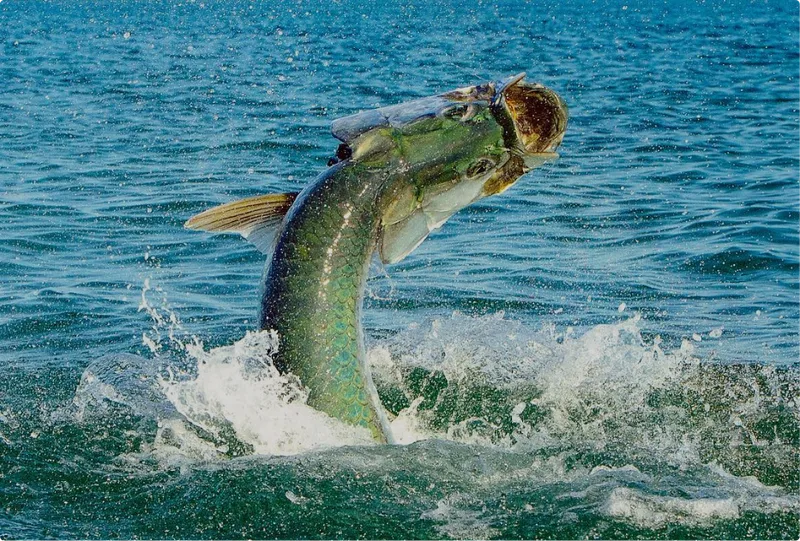
Not a paragraph. A real page for each species or hunt you’re known for. What you target, how you fish or hunt it, what a typical day looks like, and honest expectations. Serious anglers can smell vague copy. Specifics (flats, tides, months, fly patterns, average bird counts) are what convince them you’re the real thing.
Seasons
A month-by-month breakdown of what’s best when. This is one of the most-visited pages on every lodge site I’ve worked on, and most lodges either bury it or skip it. It’s also the page that helps people pick dates, which is one step from booking.
Rates and what’s included
Put rates in the main navigation. Show packages clearly, spell out what’s included (lodging, meals, guides, transfers, licenses) and what isn’t. Lodges hide rates because they’re worried about scaring people off. The people who leave over price were never going to book. The people who stay now know you’re in their range and are closer to committing.
The lodge itself
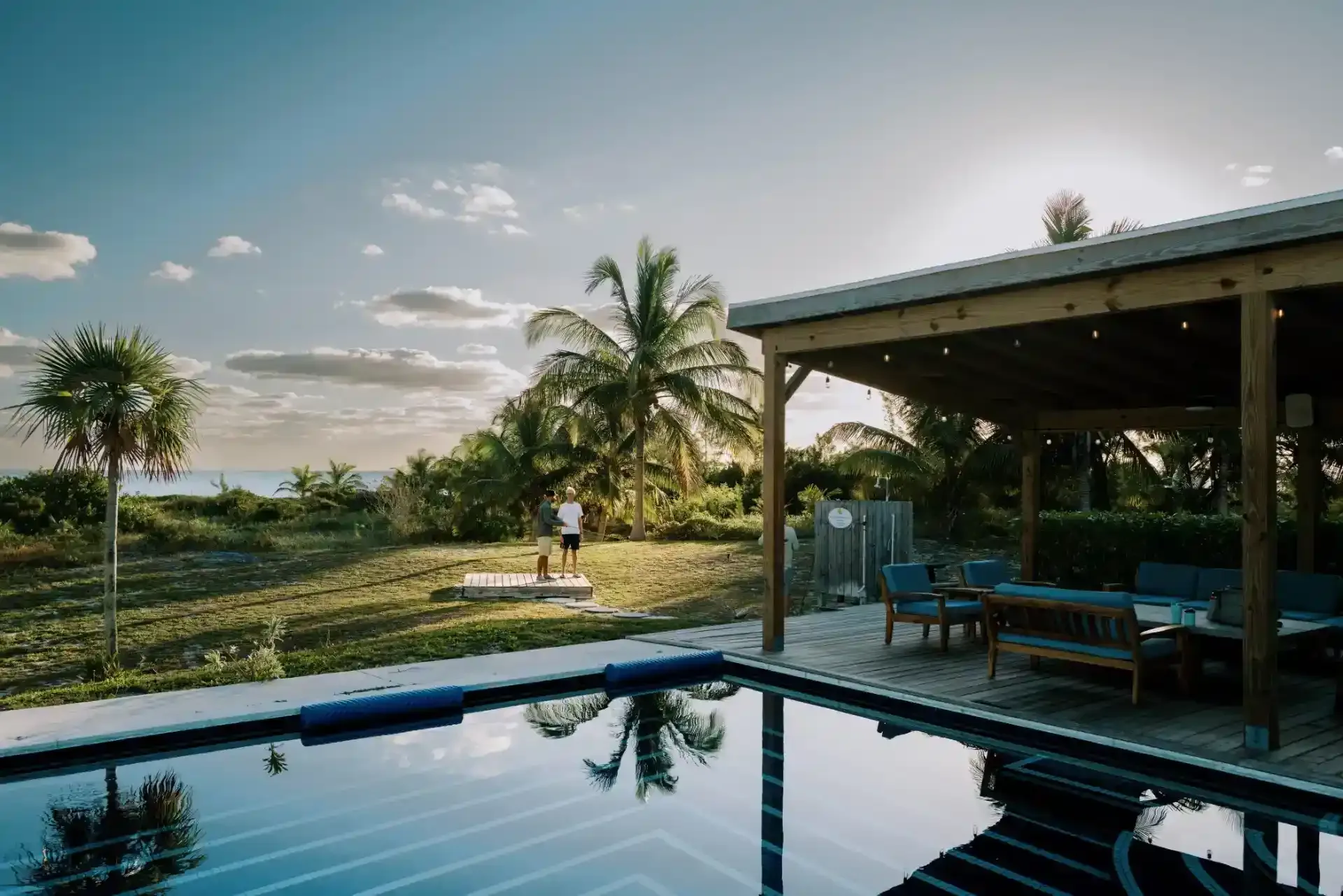
Rooms, food, common spaces, the dock, the boats. Guests are paying for the whole experience, not just the fishing hours. Show it.
Getting there
Nearest airport, transfer options, travel time, what to expect on arrival. For international destinations this page does a lot of quiet work, because travel logistics are a big source of hesitation.
Your guides and staff
Names, faces, years on the water. People book people.
Photography decides more than copy
If I could only fix one thing on most lodge sites, it would be the photos. Real photography of your water, your rooms, your guides, and your guests beats polished stock every single time, even when the real photos are imperfect. Guests can tell. Stock photography on a lodge site reads as “we’re hiding something.”
A short video near the top of the homepage, shot on your water, is worth more than any headline you can write.
The booking path
This is where most lodge sites lose people.
- Every page needs a next step. A guest who just read your seasons page should be one tap from checking dates.
- Offer a lighter step than a full booking. “Check availability” or a short inquiry form (dates, group size, species of interest) catches people who are still deciding. That’s most of your visitors.
- Respond fast. A lodge that replies within the hour with real information books more trips than one that replies in three days. Automate the instant confirmation and make the real reply a same-day habit.
- Design for phones first. Most first visits happen on a phone, often on a lunch break while someone daydreams about a trip.
On Soul Fly Lodge the build paired atmospheric presentation with clear rates, seasons, and a booking path designed around how guests actually plan. On No Name Fly Lodge the focus was capturing interest at every stage, and the site has generated 378 booking requests since launch.
Speed and mobile
Lodge sites tend to be heavy: big photos, background video, galleries. Unoptimized, they load slowly, and slow sites lose people and rank worse. Compress images, use modern formats, and only load video when it’s needed. Test your site on a phone with one bar of service, because some of your guests will be looking at it from a boat ramp.
Where search fits in
A well-built lodge site is also the foundation for SEO. Guests search for the trip, not your name: “bonefish lodge Bahamas,” “best time to fish Puerto Rico for tarpon,” “guided duck hunting lodge Arkansas.” Every page described above is a page that can rank for one of those searches.
I go deeper on that in SEO for fishing lodges, and on the paid side in Google Ads for fishing and hunting lodges.
A quick self-check
Pull up your site on your phone and ask:
- Can a first-time visitor find your rates in under 10 seconds?
- Is there a season breakdown?
- Are the photos actually yours?
- Is there a way to ask about dates without committing to a full booking?
- How fast does someone hear back?
If your site looks good but the calendar isn’t filling the way it should, the answer is almost always in one of those five. See the lodge sites I’ve built or tell me about your lodge.